
Owning an older home can come with a long list of repairs and remodeling ideas. You may want a new kitchen, better floors, fresh paint, updated bathrooms, and more. The hard part is knowing what to do first.
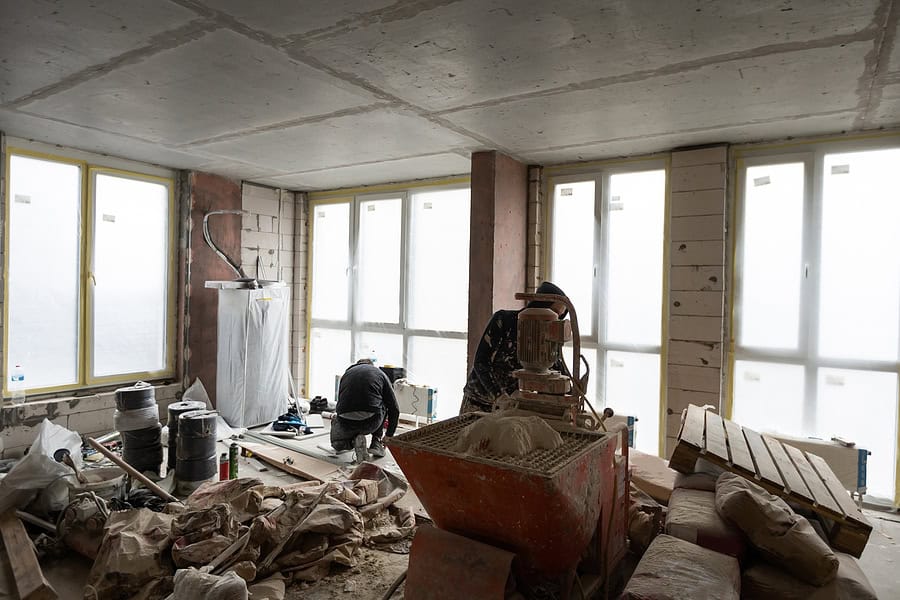
When several projects compete for your budget, start with the parts of the home that protect the house and keep your family safe. Cosmetic changes can come later.
What Should You Fix First in an Older Home?
Start with problems that can cause more damage if you wait. A roof leak, foundation issue, plumbing leak, or electrical problem can become much more expensive when left alone.
Look for signs of water intrusion, such as ceiling stains, damp walls, soft flooring, or musty smells. Check for structural concerns, too. Cracks, sagging areas, and doors that suddenly stop closing properly may point to a larger problem.
Older plumbing and electrical systems also deserve attention. Faulty wiring, damaged pipes, and outdated electrical equipment can affect both safety and future remodeling work.
You should also check heating and cooling systems. If a major system is near the end of its service life, knowing that before you start a large remodel can help you plan your budget.
How Can You Protect the House From Further Damage?
Once you address safety concerns, look at the outside of the home. Siding, windows, doors, and exterior paint all help keep moisture and weather out.
Poor drainage can create problems around the foundation. Make sure water moves away from the house instead of collecting near the walls.
The attic deserves attention as well. Poor insulation and ventilation can affect comfort, energy use, and moisture levels. Fixing these issues before replacing finishes can prevent you from having to redo work later.
When Should You Focus on Safety and Security?
Safety should come before appearance. Repair loose stairs, weak railings, damaged walkways, faulty locks, and unsafe doors before cosmetic projects.
Electrical safety is another concern in older homes. If you notice damaged wiring, frequent breaker trips, or outlets that feel warm, have a qualified professional check the system.
These repairs may not be the most exciting part of a remodel, but they can protect your home and the people who live there.
How Should You Plan Remodeling Projects?
After repairs and safety concerns, make a full list of the work you want to complete. Estimate the cost of each project, and consider how one project may affect another.
For example, it makes little sense to install new flooring before moving walls or replacing plumbing. Complete work behind the walls before installing the finished surfaces.
A phased plan can also make a large remodel easier to handle. Handy Remodeler’s approach to whole-house remodeling includes planning work by area or by type of work to reduce rework and keep the project organized.
For more ideas about planning a larger project, see our blog Whole House Remodel Contractors — Planning & Budget.
Should You Live in the Home Before Remodeling?
If the home is safe and livable, spending some time in it before making major cosmetic changes can help you make better choices.
You may discover that a room feels too dark, a hallway is too narrow, or a kitchen layout causes daily problems. Those details are easier to spot after you have lived with the space.
Waiting can also help you avoid spending money on changes you later decide you do not need.
How Should You Prioritize Kitchen and Bathroom Remodeling?
Kitchens and bathrooms often require several trades, so planning matters. Look at the layout, plumbing, electrical work, cabinets, lighting, and finishes as one project instead of making changes one at a time.
In a kitchen, focus on how you use the room. A better layout may be more useful than simply replacing cabinets or countertops.
Bathrooms also need careful planning. Plumbing, waterproofing, fixtures, tile, lighting, and storage should work together.
If your project involves several rooms, Interior Home Remodeling: Flow, Comfort & Resale can provide more ideas for planning interior improvements.
What Cosmetic Projects Should Come Later?
Once the home is safe, dry, and in good working order, you can focus on appearance.
Flooring, interior paint, lighting, storage, bedrooms, and living spaces can make a big difference. These projects are often easier to plan after larger repairs are complete.
An older home doesn’t need to lose all its original character, either. Some older doors, trim, flooring, and other details may be worth keeping when they are in good condition.
How Can You Keep an Older Home Remodel Manageable?
Set a budget before work begins, and leave room for unexpected repairs. Older homes can reveal hidden problems once you open walls, floors, or ceilings.
The best order for your projects will depend on the home’s condition, your budget, and how you use each space. Start with problems that affect safety, water, structure, and major systems. Then move toward improvements that make the home more comfortable and attractive.
With a clear plan, you can improve an older home without trying to tackle everything at once.
Ready to Plan Your Older Home Remodel?
An older home may need several repairs before it is ready for the changes you want. Handy Remodeler can help you plan the work, prioritize your projects, and create a home that fits the way you live.
Contact Handy Remodeler today to discuss your remodeling plans and find the right place to start.